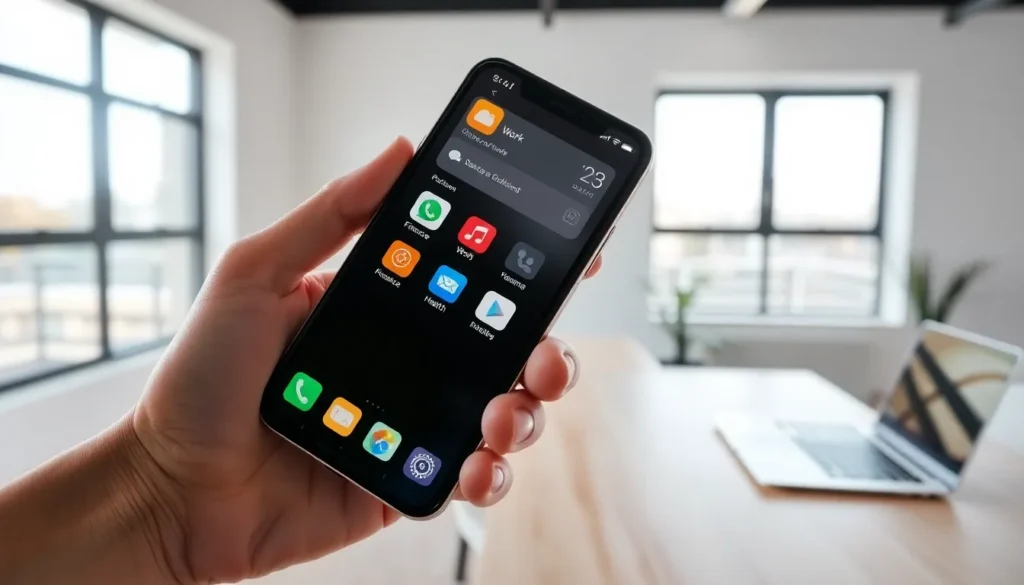


Augmented reality (AR) blends digital content with the physical world. It overlays computer-generated images, sounds, and data onto real environments in real time. Unlike virtual reality, augmented reality does not replace what users see. Instead, it adds to their surroundings.
This technology appears in smartphone apps, smart glasses, and heads-up displays. Millions of people use augmented reality daily, often without realizing it. From social media filters to navigation tools, AR has become part of everyday life. This article explains what augmented reality is, how it works, and where it’s headed.
Table of Contents
ToggleKey Takeaways
- Augmented reality overlays digital content onto the real world in real time, enhancing rather than replacing your surroundings.
- AR works by combining sensors, processing power, and display technology to anchor digital elements to physical objects seamlessly.
- Four main types of augmented reality exist: marker-based, markerless, projection-based, and superimposition-based, each serving different use cases.
- Augmented reality applications span retail, gaming, education, healthcare, and navigation, helping users visualize information in practical ways.
- Unlike virtual reality, augmented reality keeps users connected to their physical environment, making it safer and more accessible on everyday devices.
- The AR market is projected to reach $340 billion by 2028, driven by lighter hardware, 5G connectivity, and improved AI integration.
How Augmented Reality Works
Augmented reality works by combining three key elements: sensors, processing power, and display technology.
First, sensors collect data about the user’s environment. Cameras capture images. Accelerometers track movement. GPS determines location. These inputs help the system understand where the user is and what they’re looking at.
Next, software processes this data. Augmented reality systems use computer vision algorithms to identify surfaces, objects, and spatial relationships. The software calculates exactly where to place digital elements so they appear anchored to real-world objects.
Finally, displays show the combined image. Smartphones use their screens. Smart glasses project images directly into the user’s field of view. Some AR systems use projectors to cast images onto physical surfaces.
The entire process happens in milliseconds. When done well, augmented reality feels seamless. Digital objects appear stable and realistic, even as users move around them.
Types of Augmented Reality
Augmented reality comes in several forms. Each type serves different purposes and uses different triggers.
Marker-Based AR
Marker-based augmented reality uses visual markers to trigger digital content. QR codes and specific images act as reference points. When a camera detects the marker, the system displays the associated AR content. Museums and product packaging often use this approach.
Markerless AR
Markerless augmented reality doesn’t require predefined triggers. Instead, it uses location data, object recognition, or surface detection. IKEA’s furniture app is a good example, it places virtual furniture on any flat surface the camera identifies.
Projection-Based AR
Projection-based augmented reality casts light onto physical surfaces. The projections can be interactive. Some retail displays use this type to create touchable interfaces on tables or walls.
Superimposition-Based AR
Superimposition-based augmented reality replaces part of the original view with a digital overlay. Medical imaging applications use this type. Doctors can see X-ray data superimposed on a patient’s body during procedures.
Common Applications of AR
Augmented reality has found uses across many industries. Its ability to add information to physical spaces makes it practical for both consumers and businesses.
Retail and E-Commerce
Furniture retailers let customers see how products look in their homes before buying. Cosmetics brands offer virtual try-on features for makeup. These augmented reality tools reduce return rates and increase buyer confidence.
Gaming and Entertainment
Pokémon GO brought augmented reality gaming to mainstream audiences in 2016. The game generated over $1 billion in revenue in its first year. Since then, many games have added AR features that blend gameplay with real locations.
Education and Training
Augmented reality helps students visualize complex concepts. Medical students can examine 3D models of human anatomy. Mechanics can see step-by-step repair instructions overlaid on actual equipment. This hands-on approach improves retention and understanding.
Healthcare
Surgeons use augmented reality to view patient data during operations. AR headsets can display vital signs, imaging results, and procedural guides without requiring doctors to look away from the patient.
Navigation
AR navigation apps overlay directions onto live camera feeds. Drivers see arrows and turn indicators projected onto the road ahead. Pedestrians get walking directions that point exactly where to go.
Augmented Reality vs. Virtual Reality
People often confuse augmented reality and virtual reality. Both use digital technology to change how users perceive their environment. But they work very differently.
Virtual reality creates a completely artificial environment. Users wear headsets that block out the physical world entirely. Everything they see is computer-generated. VR works well for immersive gaming, simulations, and virtual tours.
Augmented reality keeps users connected to the real world. It adds digital layers on top of actual surroundings. Users can still see and interact with physical objects while viewing AR content. This makes augmented reality safer for mobile use and more practical for everyday tasks.
There’s also mixed reality (MR), which sits between the two. Mixed reality allows digital and physical objects to interact with each other. A virtual ball could bounce off a real table, for instance.
The hardware requirements differ too. VR needs dedicated headsets with full displays. Augmented reality can run on standard smartphones. This accessibility has helped AR reach a much larger audience than VR.
The Future of Augmented Reality
The augmented reality market continues to grow rapidly. Analysts project it will reach $340 billion by 2028. Several trends are driving this expansion.
Lighter Hardware
Smart glasses are getting smaller and more stylish. Companies like Apple, Meta, and Google are developing AR glasses that look like regular eyewear. When these devices hit mainstream adoption, augmented reality use will spike significantly.
5G Connectivity
Faster networks enable more sophisticated AR experiences. 5G reduces latency, which makes digital overlays more responsive. Cloud-based AR processing becomes practical when data can travel quickly between devices and servers.
Improved AI Integration
Artificial intelligence makes augmented reality smarter. Better object recognition means AR can identify and respond to more real-world items. Natural language processing allows voice-controlled AR interfaces.
Workplace Adoption
Businesses are investing heavily in augmented reality for training, maintenance, and collaboration. Remote workers can share AR views of their environment with colleagues. Field technicians can receive real-time guidance from experts hundreds of miles away.
The technology still faces challenges. Battery life limits how long users can engage with AR. Privacy concerns arise when cameras constantly scan public spaces. But investment and innovation continue to address these issues.