
Electric vehicles have transformed how people think about transportation. Learning how to choose, buy, and drive electric vehicles requires understanding several key factors, from vehicle types to charging infrastructure. In 2023, EV sales reached 14 million units globally, representing 18% of all car sales. This guide breaks down everything buyers need to know before making the switch. Whether someone wants to reduce fuel costs or lower their carbon footprint, electric vehicles offer practical solutions for modern drivers.
Table of Contents
ToggleKey Takeaways
- Electric vehicles come in three main types—BEVs, PHEVs, and HEVs—each suited to different driving habits and charging access.
- Most Americans drive under 40 miles daily, making a 250-mile EV range more than sufficient for typical needs.
- Electric vehicles cost more upfront but save significantly over time with lower fuel costs (~$500/year vs. $2,000+) and reduced maintenance.
- Federal tax credits up to $7,500 and state incentives can substantially reduce the purchase price of qualifying electric vehicles.
- Home Level 2 charging covers about 80% of charging needs, while DC fast chargers are ideal for road trips.
- Keeping your EV battery between 20-80% charge and limiting frequent fast charging helps extend battery lifespan.
Understanding Electric Vehicle Types
Electric vehicles come in three main categories. Each type offers different benefits based on driving habits and charging access.
Battery Electric Vehicles (BEVs) run entirely on electricity. They produce zero tailpipe emissions and rely on large battery packs for power. Popular BEVs include the Tesla Model 3, Chevrolet Bolt, and Ford Mustang Mach-E. These vehicles typically offer 200-300 miles of range on a single charge.
Plug-in Hybrid Electric Vehicles (PHEVs) combine electric motors with gasoline engines. Drivers can use electric power for short trips and switch to gas for longer distances. The Toyota RAV4 Prime and Jeep Wrangler 4xe fall into this category. PHEVs usually provide 25-50 miles of electric-only range.
Hybrid Electric Vehicles (HEVs) use both power sources but cannot plug in to charge. The battery recharges through regenerative braking and the gas engine. The Toyota Prius remains the most recognized hybrid on the market.
For buyers learning how to buy electric vehicles, BEVs work best for those with home charging access. PHEVs suit drivers who take occasional long trips but want electric capability for daily commutes.
Key Factors To Consider Before Buying
Purchasing an electric vehicle involves several important considerations beyond sticker price.
Range Requirements
Most Americans drive fewer than 40 miles daily. But, range anxiety remains a real concern for new EV buyers. Consider typical driving patterns carefully. A 250-mile range covers most daily needs with room to spare.
Total Cost of Ownership
Electric vehicles cost more upfront but save money over time. Electricity costs less than gasoline per mile traveled. EV owners spend roughly $500 annually on “fuel” compared to $2,000+ for gas vehicles. Maintenance costs also drop significantly, no oil changes, fewer brake replacements, and simpler drivetrains.
Federal and State Incentives
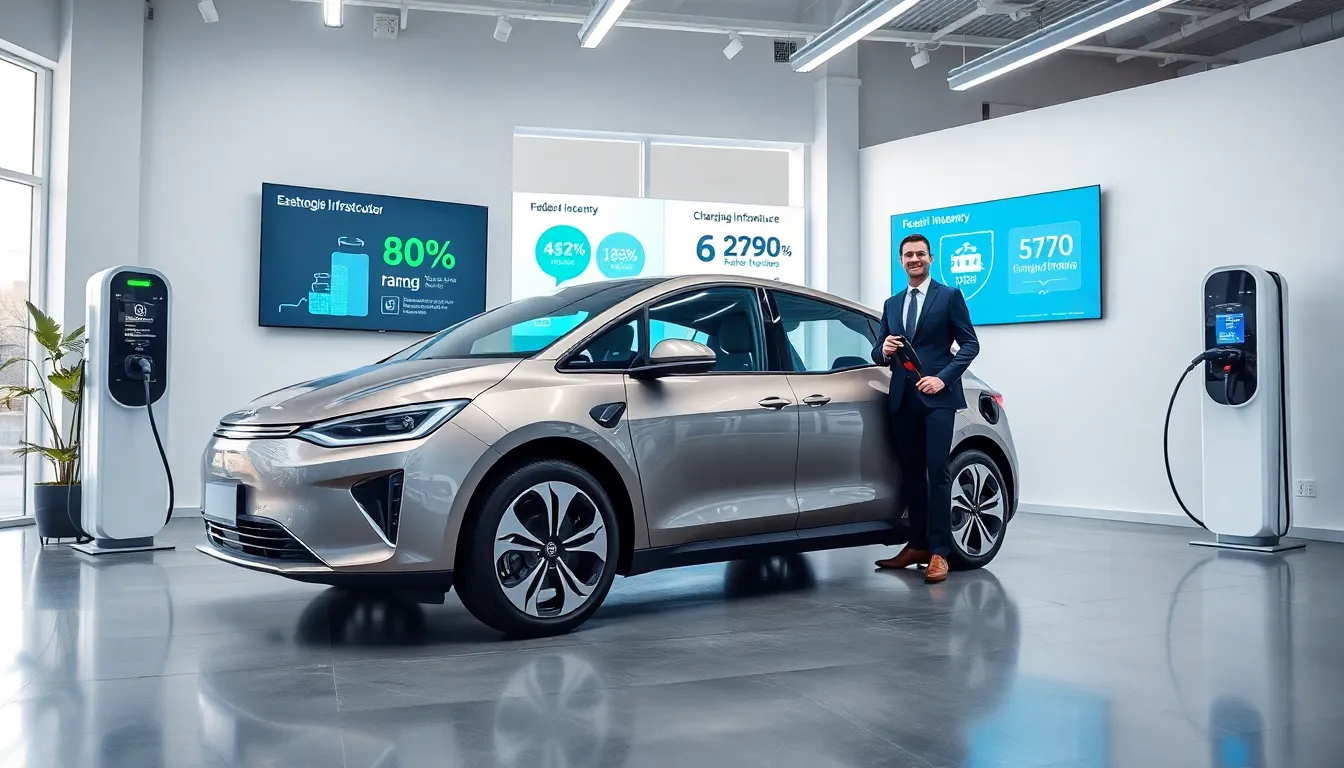
The federal government offers up to $7,500 in tax credits for qualifying electric vehicles. State incentives add thousands more in some regions. Check current eligibility requirements, as income limits and vehicle price caps apply under updated regulations.
Battery Warranty
Most manufacturers warranty EV batteries for 8 years or 100,000 miles. Battery degradation happens slowly, typically 10-15% over 10 years of normal use. This factor matters when buying used electric vehicles.
Insurance and Registration
EV insurance rates run 10-20% higher than comparable gas vehicles due to repair costs. Some states charge additional registration fees for electric vehicles to offset lost gas tax revenue.
Charging Options And Infrastructure
Understanding charging infrastructure helps buyers prepare for electric vehicle ownership. Three charging levels exist, each with different speeds and applications.
Level 1 Charging
Level 1 uses a standard 120-volt household outlet. This method adds 3-5 miles of range per hour. It works for overnight charging when daily driving stays under 40 miles. No special equipment required, just the cord that comes with the vehicle.
Level 2 Charging
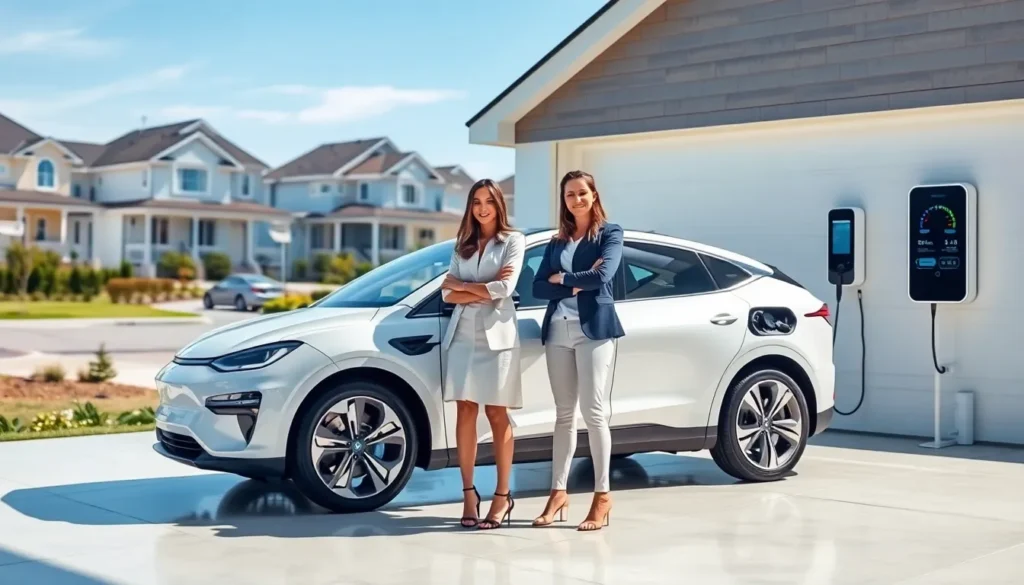
Level 2 requires a 240-volt outlet, similar to a clothes dryer connection. This option adds 25-30 miles of range per hour. Most EV owners install Level 2 chargers at home for $500-2,000 including equipment and installation. Public Level 2 stations appear at shopping centers, workplaces, and parking garages.
DC Fast Charging
DC fast chargers deliver 100-200+ miles of range in 20-30 minutes. Networks like Electrify America, ChargePoint, and Tesla Superchargers operate these stations along highways. Fast charging works best for road trips rather than daily use.
Planning Your Charging Strategy
Home charging covers 80% of charging needs for most electric vehicle owners. Apps like PlugShare map public charging locations nationwide. Before buying, verify charging access at home, work, and along regular routes.
For apartment dwellers, workplace charging or nearby public stations can substitute for home charging. Some landlords now install shared charging stations for residents.
Driving And Maintaining Your Electric Vehicle
Electric vehicles drive differently than gas cars. Understanding these differences helps new owners maximize performance and longevity.
Driving Characteristics
EVs deliver instant torque from a standstill. Acceleration feels immediate and smooth. One-pedal driving, using regenerative braking, lets drivers slow down simply by lifting off the accelerator. This feature takes adjustment but becomes second nature within days.
Cold weather reduces battery range by 20-40%. Preconditioning the cabin while plugged in preserves range. Hot weather affects range less severely but still impacts performance.
Maintenance Requirements
Electric vehicles need less maintenance than gas counterparts. Standard service includes:
- Tire rotations every 5,000-7,500 miles
- Cabin air filter replacement annually
- Brake fluid checks every 2-3 years
- Coolant system service per manufacturer schedule
Brakes last longer because regenerative braking reduces pad wear. No oil changes, spark plugs, or transmission fluid concerns exist.
Battery Care Best Practices
Keeping the battery between 20-80% charge extends its lifespan. Avoid frequent DC fast charging when possible, slower charging generates less heat. Park in shade during hot weather to reduce battery stress.
Most electric vehicle owners report satisfaction with reduced maintenance schedules. The simplicity appeals to those tired of frequent service appointments.