
Electric vehicles vs gas cars, it’s the debate that dominates every car-buying conversation in 2025. With EV sales climbing and gas prices staying unpredictable, drivers face a real choice. This comparison guide breaks down everything from ownership costs to environmental impact. It covers performance differences, charging options, and helps readers decide which option fits their lifestyle. Whether someone is eyeing their first EV or wondering if gas still makes sense, the answers are here.
Table of Contents
ToggleKey Takeaways
- Electric vehicles vs gas cars often favor EVs in total ownership costs over five years, despite higher upfront prices, thanks to fuel savings and lower maintenance.
- EVs produce zero tailpipe emissions and generate fewer lifetime emissions than gas vehicles, even when factoring in battery manufacturing.
- Electric vehicles deliver instant torque and better handling due to low-mounted batteries, while gas cars offer familiar driving dynamics and faster refueling.
- Home charging makes EV ownership convenient for daily drivers, with most owners waking up to a full battery without visiting gas stations.
- Choose an EV if you drive under 250 miles daily, can charge at home, and qualify for federal tax credits up to $7,500.
- Gas vehicles remain practical for frequent long-distance driving, rural areas with limited charging, or buyers prioritizing lower upfront costs.
Cost of Ownership: EVs vs Gas Vehicles
The electric vehicles vs gas cars debate often starts with price. Upfront, EVs typically cost more. The average new electric vehicle in 2024 sold for around $56,000, while gas cars averaged closer to $48,000. That gap is shrinking, though, as more affordable EV models hit the market.
Fuel costs tell a different story. Electricity costs less per mile than gasoline in most U.S. states. The Department of Energy estimates that driving an EV costs about half as much per mile compared to a gas vehicle. For someone driving 12,000 miles per year, that adds up to $600–$1,000 in annual savings.
Maintenance costs also favor electric vehicles. EVs have fewer moving parts, no oil changes, no transmission fluid, no spark plugs. Brake pads last longer too, thanks to regenerative braking. AAA estimates that EV owners save about $330 per year on maintenance compared to gas car owners.
Federal tax credits sweeten the deal for many buyers. Eligible EVs qualify for up to $7,500 in federal tax credits, with some state incentives stacking on top. Gas vehicles don’t receive these benefits.
Over five years, total ownership costs for electric vehicles vs gas cars often favor EVs, even though that higher sticker price. The math depends on local electricity rates, driving habits, and whether buyers qualify for incentives.
Environmental Impact and Emissions
Electric vehicles produce zero tailpipe emissions. Gas cars emit carbon dioxide, nitrogen oxides, and particulate matter every mile they drive. This difference matters for air quality, especially in cities with traffic congestion.
The full picture includes manufacturing. EV battery production does require energy and raw materials like lithium and cobalt. Studies from the EPA and MIT show that EVs still produce fewer lifetime emissions than gas vehicles, even accounting for battery manufacturing.
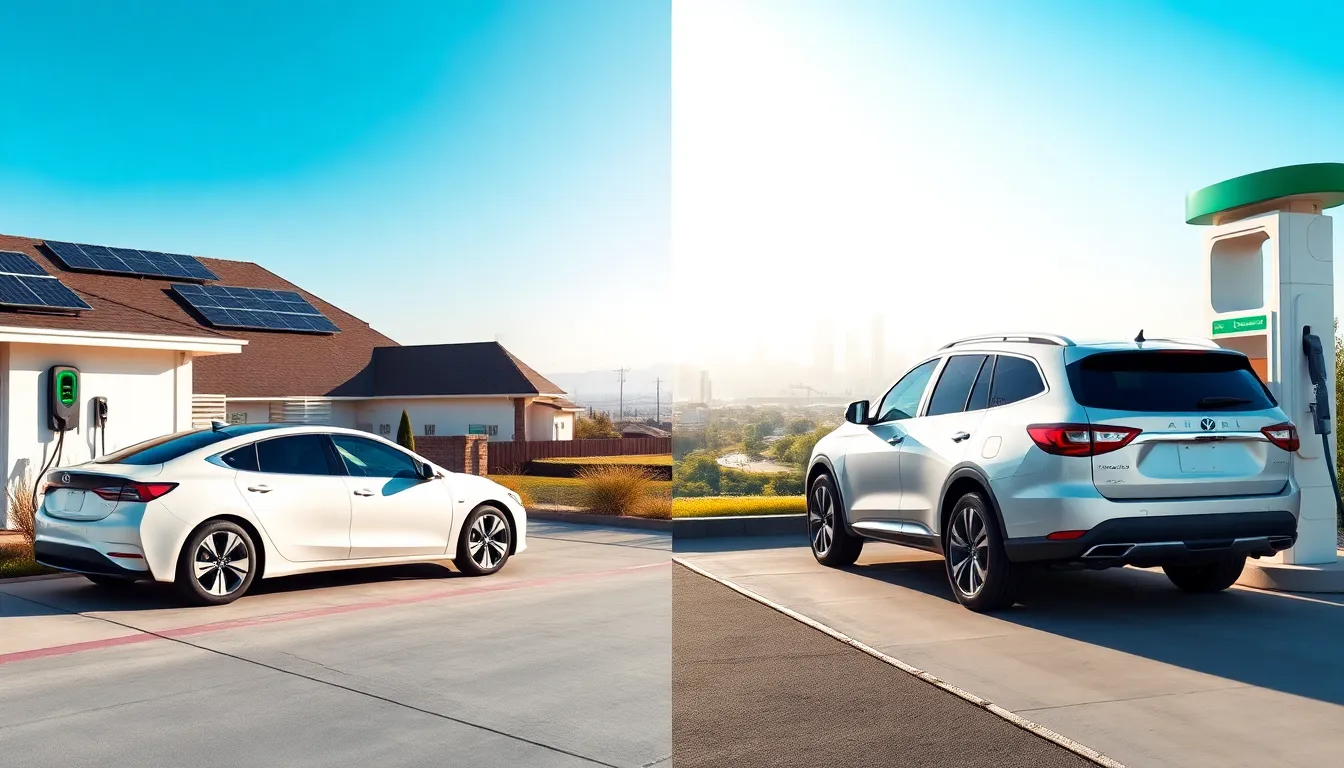
The electricity source matters too. An EV charged on solar or wind power is cleaner than one charged from a coal plant. As the U.S. grid shifts toward renewables, electric vehicles vs gas cars comparisons tilt further toward EVs on emissions.
Gas vehicles continue improving their efficiency. Modern combustion engines are cleaner than those from 20 years ago. Still, they can’t match an EV’s zero-emission driving.
Battery recycling is improving. Companies now recover over 95% of valuable materials from used EV batteries. This reduces the environmental footprint over time.
For buyers who prioritize sustainability, electric vehicles offer clear advantages. They reduce dependence on fossil fuels and contribute less to climate change over their lifespan.
Performance and Driving Experience
Electric vehicles deliver instant torque. Press the accelerator, and the power arrives immediately. Many EVs accelerate faster than comparable gas cars, even budget-friendly models feel quick off the line.
Gas cars offer a different experience. Engines rev up, transmissions shift, and there’s a mechanical connection that some drivers love. Sports car enthusiasts often prefer the sound and feel of a tuned exhaust note.
EVs run quietly. At low speeds, they’re nearly silent. Some people find this peaceful: others miss engine noise. Manufacturers now add artificial sounds to alert pedestrians.
Handling differs too. EVs carry heavy batteries mounted low in the chassis. This lowers the center of gravity and improves stability during turns. Many drivers find electric vehicles vs gas cars comparisons favor EVs for cornering.
Range anxiety remains a concern. Most new EVs offer 250–350 miles per charge, which covers daily driving easily. Gas cars can refuel in minutes and go 400+ miles per tank. For long road trips, gas still holds an edge.
Driving an EV feels modern and tech-forward. Large touchscreens, over-the-air updates, and one-pedal driving change the experience. Gas cars feel familiar and proven. The right choice depends on what a driver values most.
Charging Infrastructure vs Gas Stations
The U.S. has over 150,000 gas stations. Drivers can fill up almost anywhere in minutes. This convenience has built up over a century.
EV charging infrastructure is growing fast. The U.S. now has over 60,000 public charging stations with more than 170,000 individual chargers. The federal government is investing $7.5 billion to expand this network through 2030.
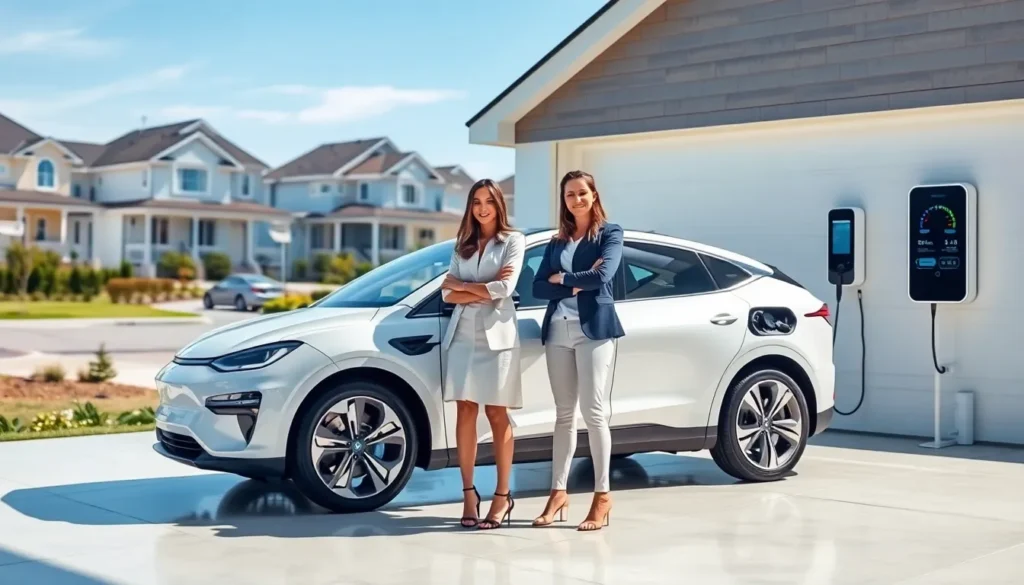
Home charging changes the equation. Most EV owners charge overnight at home. They wake up to a full battery every morning, no gas station trips needed. A Level 2 home charger adds about 25–30 miles of range per hour.
Public fast chargers can add 100–200 miles of range in 20–30 minutes. That’s slower than pumping gas, but it’s improving. Tesla’s Supercharger network remains the largest and most reliable, though other networks are catching up.
Rural areas and apartments present challenges. Fewer chargers exist in remote locations. Renters without dedicated parking may struggle to charge at home. These gaps affect the electric vehicles vs gas cars decision for many buyers.
For people who drive mainly around town and can charge at home, EVs offer real convenience. Road trippers and rural drivers may find gas vehicles more practical, for now.
Which Option Is Right for You?
The electric vehicles vs gas cars choice comes down to individual needs. There’s no universal answer.
Choose an EV if:
- Daily driving stays under 250 miles
- Home charging is available
- Lower fuel and maintenance costs appeal
- Environmental impact matters
- Federal and state incentives apply
Choose a gas car if:
- Long-distance driving is frequent
- Access to charging is limited
- Upfront cost is the priority
- Towing heavy loads is necessary (though EV trucks are improving)
Hybrid vehicles offer a middle ground. Plug-in hybrids provide electric-only range for commutes plus gas backup for longer trips. They suit buyers who aren’t ready to go fully electric.
Resale values are shifting. Popular EVs from Tesla and others hold value well. Some gas vehicles depreciate faster as buyer preferences change.
Test driving both types helps. The instant torque of an EV surprises many first-timers. The familiar feel of a gas car reassures others. Personal experience often decides the debate.