
Electric vehicle techniques make the difference between a frustrating ownership experience and a seamless one. As more drivers switch to EVs, understanding the right methods for charging, battery care, and efficiency becomes critical. These skills help owners save money, extend vehicle lifespan, and get the most from every charge.
This guide covers the essential electric vehicle techniques every owner should know. From smart charging strategies to regenerative braking, these methods turn new EV drivers into confident, informed owners.
Table of Contents
ToggleKey Takeaways
- Mastering electric vehicle techniques like smart charging and battery care can save money and extend your EV’s lifespan.
- Keep your battery between 20% and 80% for daily use to protect long-term health—reserve full charges for road trips.
- Smooth driving and steady speeds can improve EV range by 10-20%, reducing range anxiety significantly.
- Use regenerative braking and one-pedal driving modes to recover energy and minimize brake wear.
- Pre-condition your cabin while plugged in to reduce battery drain from heating and cooling during your drive.
- Keep software updated, as manufacturers regularly improve battery management and energy efficiency through over-the-air updates.
Understanding EV Charging Strategies
Charging an electric vehicle requires more strategy than filling a gas tank. The right electric vehicle techniques for charging can reduce costs and protect the battery.
Level 1, Level 2, and DC Fast Charging
Level 1 charging uses a standard 120V outlet. It adds about 3-5 miles of range per hour. This works for overnight charging or drivers with short commutes.
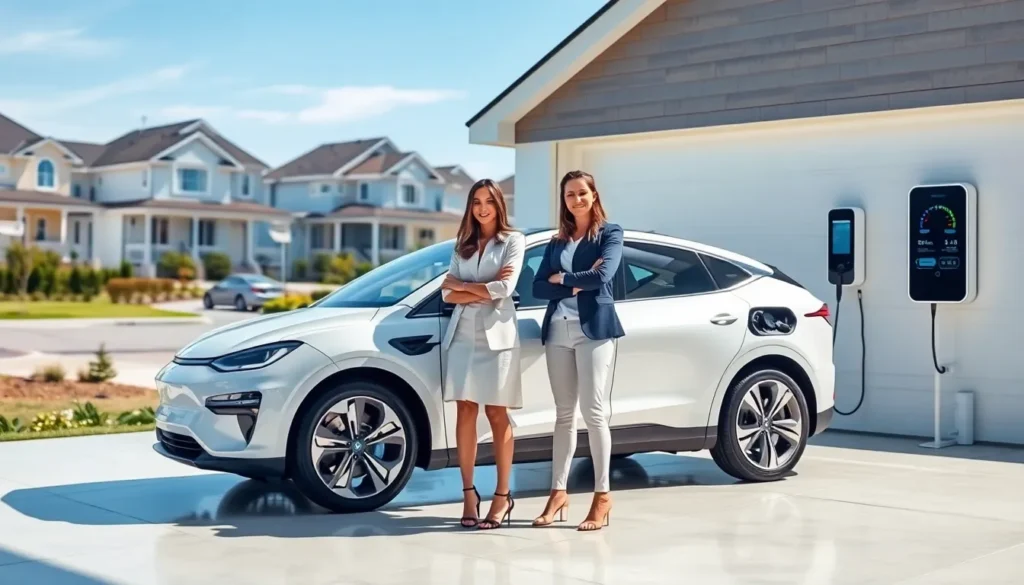
Level 2 charging uses a 240V outlet and adds 25-30 miles of range per hour. Most EV owners install a Level 2 charger at home. It’s the sweet spot between speed and battery health.
DC fast charging can add 100+ miles in 30 minutes. It’s great for road trips but shouldn’t be the daily go-to. Frequent fast charging can stress the battery over time.
Smart Charging Habits
Charging during off-peak hours saves money. Many utilities offer lower rates at night. Some EVs let owners schedule charging to start automatically during these windows.
Keeping the battery between 20% and 80% for daily use is a solid practice. Charging to 100% is fine before long trips, but doing it daily can wear down the battery faster.
Battery Care and Maintenance Techniques
The battery is the most expensive component in any electric vehicle. Proper electric vehicle techniques for battery care protect this investment.
Temperature Management
Extreme temperatures affect battery performance and lifespan. Heat accelerates chemical degradation. Cold reduces range temporarily.
Parking in shade during summer helps. In winter, preconditioning the battery while still plugged in warms it without draining range. Most modern EVs have thermal management systems that handle this automatically, but owners can help by avoiding extreme conditions when possible.
Avoiding Deep Discharges
Running the battery to 0% stresses its cells. Keeping it above 10-20% protects long-term health. Think of it like running on empty in a gas car, possible, but not ideal.
Software Updates Matter
Manufacturers push updates that improve battery management. These updates optimize charging curves, thermal control, and energy use. Keeping the vehicle’s software current is a simple but effective electric vehicle technique.
Maximizing Range and Efficiency
Range anxiety fades when drivers master electric vehicle techniques for efficiency. Small adjustments add up to significant gains.
Smooth Driving Pays Off
Aggressive acceleration drains the battery quickly. Gentle starts and gradual stops conserve energy. Studies show that smooth driving can improve EV range by 10-20%.
Maintaining steady speeds also helps. Highway driving at 65 mph uses less energy than 75 mph. The difference might seem small, but it compounds over long distances.
Climate Control Considerations
Heating and air conditioning are major energy drains. Using seat heaters instead of cabin heat in winter consumes less power. In summer, pre-cooling the cabin while plugged in reduces the load on the battery during the drive.
Tire Pressure and Aerodynamics
Underinflated tires increase rolling resistance. Checking tire pressure monthly keeps efficiency high. Many EV owners run tires at the higher end of the recommended range for better efficiency.
Removing roof racks when not in use reduces aerodynamic drag. Even small changes to airflow can affect range at highway speeds.
Regenerative Braking Best Practices
Regenerative braking is one of the most distinctive electric vehicle techniques. It captures energy during deceleration and sends it back to the battery.
Understanding the System
When a driver lifts off the accelerator, the electric motor reverses its role. It becomes a generator, slowing the car while producing electricity. This energy goes back into the battery instead of being lost as heat through traditional brakes.
One-Pedal Driving
Many EVs offer one-pedal driving modes. The car slows significantly when the driver releases the accelerator, often enough to stop completely without touching the brake pedal. This maximizes energy recovery and reduces brake wear.
It takes some adjustment. New EV drivers should practice in low-traffic areas until one-pedal driving feels natural.
When to Use Different Settings
Most EVs let drivers adjust regenerative braking intensity. Higher settings recover more energy but create stronger deceleration. Lower settings feel more like traditional cars.
Higher regeneration works well in stop-and-go city traffic. Lower settings may feel better on highways where steady cruising is the norm. Experimenting with these electric vehicle techniques helps each driver find their preference.