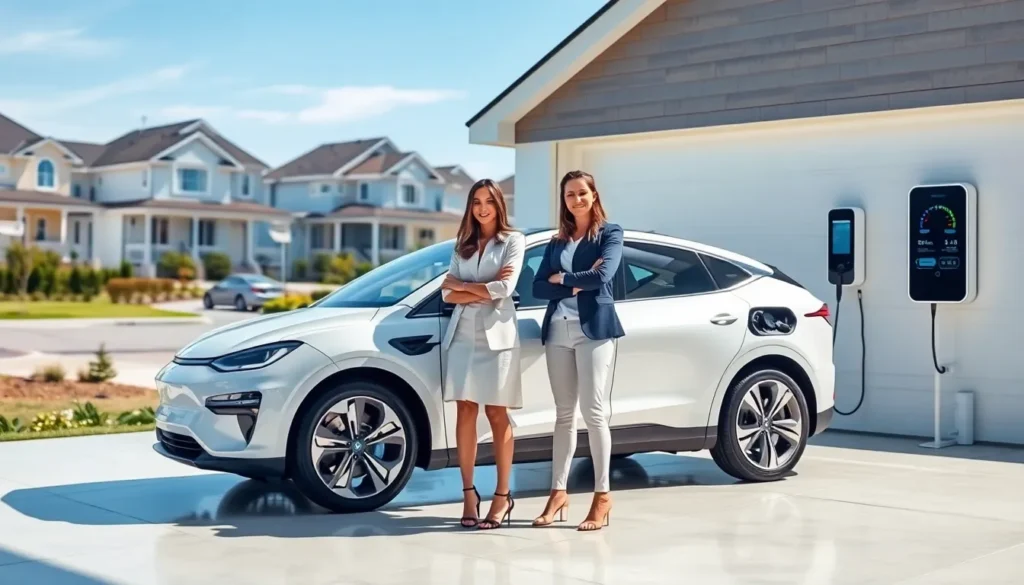


Electric vehicle strategies are reshaping how people and businesses approach transportation. Sales of EVs reached record highs in 2024, with over 17 million units sold globally. This shift represents more than a trend, it signals a fundamental change in how societies think about mobility, energy, and environmental responsibility.
The move toward electric vehicles requires careful planning. Consumers face questions about range, charging infrastructure, and costs. Businesses must evaluate fleet transitions and return on investment. Governments continue to adjust policies and incentives to accelerate adoption.
This article breaks down practical electric vehicle strategies for individuals, companies, and policymakers. Whether someone is buying their first EV or a corporation is converting an entire fleet, the right approach makes the difference between success and frustration.
Table of Contents
ToggleKey Takeaways
- Electric vehicle strategies should start with assessing daily driving needs—most Americans drive under 40 miles per day, well within any modern EV’s range.
- Home Level 2 charging costs $500–$2,000 to install and provides overnight convenience, making it the most practical option for EV owners.
- EVs cost roughly $0.04 per mile to operate compared to $0.12 for gasoline, with 30–40% lower maintenance expenses over time.
- Federal tax credits up to $7,500, plus state incentives, can significantly reduce the upfront cost of purchasing an electric vehicle.
- Businesses should pilot 10–20 EVs before full fleet conversion to identify challenges and build internal expertise for larger rollouts.
- Modern EV batteries retain 80–90% capacity after 100,000 miles, with most manufacturers offering 8-year warranties to address longevity concerns.
Understanding the Current EV Landscape
The electric vehicle market has grown at an impressive pace. In 2024, EVs accounted for roughly 20% of new car sales worldwide. China leads global adoption, followed by Europe and North America. Battery technology continues to improve, with most new models offering 250 to 350 miles of range on a single charge.
Charging infrastructure has expanded significantly. The United States now has over 180,000 public charging stations. Fast-charging networks from companies like Tesla, Electrify America, and ChargePoint reduce wait times to 20-30 minutes for an 80% charge.
Prices have dropped, too. The average EV now costs around $55,000, though several models fall below $35,000. Battery costs, the most expensive component, have declined by nearly 90% since 2010. This trend suggests electric vehicles will reach price parity with gas-powered cars within the next few years.
Consumer attitudes have shifted. Range anxiety, once a major concern, matters less as battery technology improves. More buyers now prioritize total cost of ownership, which favors EVs due to lower fuel and maintenance expenses.
Key Adoption Strategies for Consumers
Consumers benefit from a clear electric vehicle strategy before making a purchase. The first step involves assessing daily driving needs. Most Americans drive fewer than 40 miles per day, well within the range of any modern EV.
Home charging provides the greatest convenience. A Level 2 charger installed in a garage costs between $500 and $2,000, including installation. This setup delivers a full charge overnight. For those without home charging access, nearby public stations or workplace charging can fill the gap.
Evaluating Total Cost of Ownership
Buyers should calculate the full picture. EVs cost more upfront but save money over time. Electricity costs roughly $0.04 per mile compared to $0.12 per mile for gasoline. Maintenance expenses run 30-40% lower because electric motors have fewer moving parts and don’t require oil changes.
Federal tax credits of up to $7,500 reduce purchase prices. Many states offer additional incentives, including rebates, reduced registration fees, and HOV lane access. Leasing presents another option for those uncertain about long-term commitment.
Choosing the Right Vehicle
The EV market now includes sedans, SUVs, trucks, and crossovers. Buyers should match vehicle size and range to their actual needs. Someone with a 15-mile commute doesn’t need a 400-mile range vehicle. Test driving multiple options helps identify the best fit for comfort and features.
Business and Fleet Electrification Approaches
Companies are adopting electric vehicle strategies to reduce operating costs and meet sustainability goals. Fleet electrification often starts with vehicles that return to a central location each night, making charging logistics straightforward.
Delivery fleets represent ideal candidates. Amazon, UPS, and FedEx have committed to electrifying significant portions of their vehicles. These companies benefit from predictable routes and dedicated charging infrastructure at distribution centers.
Building a Business Case
Fleet managers should analyze routes, mileage, and vehicle utilization. Electric vehicles work best for routes under 200 miles per day with overnight charging available. The math typically favors EVs when fuel and maintenance savings offset higher purchase prices within 3-5 years.
Some businesses start with pilot programs. Testing 10-20 vehicles before full fleet conversion identifies potential challenges and builds internal expertise. This approach reduces risk and generates data for larger rollouts.
Infrastructure Planning
Charging infrastructure requires upfront investment. Businesses must evaluate electrical capacity at their facilities and plan for future expansion. Many utilities offer commercial EV programs that include rate discounts and infrastructure support. Third-party charging providers can also install and manage equipment, reducing the burden on internal teams.
Government Policies and Incentive Programs
Government action plays a central role in electric vehicle strategies at the national and local levels. The United States offers federal tax credits through the Inflation Reduction Act. Vehicles assembled in North America with qualifying battery components may receive credits up to $7,500.
State programs vary widely. California provides rebates of up to $7,500 for low-income buyers. Colorado offers a $5,000 tax credit. New Jersey exempts EVs from sales tax entirely. Buyers should research state and local incentives, as these programs can stack with federal credits.
Regulatory Frameworks
Several states have adopted zero-emission vehicle mandates. California requires automakers to sell increasing percentages of EVs, reaching 100% by 2035. Over a dozen states follow California’s standards. These regulations push manufacturers to expand EV offerings and invest in charging networks.
Building codes are changing, too. Many jurisdictions now require new construction to include EV-ready wiring or charging stations. This forward-thinking approach reduces retrofit costs and prepares buildings for growing EV adoption.
Utility Rate Structures
Electric utilities influence EV economics through rate design. Time-of-use rates encourage charging during off-peak hours, typically overnight. Some utilities offer dedicated EV rates with lower prices per kilowatt-hour. Drivers and fleet operators should contact their local utility to understand available programs.
Overcoming Common EV Transition Challenges
Range anxiety remains a concern for some buyers, though modern electric vehicle strategies address this issue effectively. Most EVs now exceed 250 miles per charge, more than enough for daily driving. For longer trips, charging network apps show station locations and availability along any route.
Charging speed has improved dramatically. DC fast chargers can add 100+ miles in 15-20 minutes. Planning one or two stops on a road trip takes minimal extra time compared to gas station visits.
Addressing Infrastructure Gaps
Rural areas and apartment complexes present charging challenges. Renters without dedicated parking can use workplace charging, public stations, or advocate for landlord-installed equipment. Some municipalities now require apartment buildings to provide charging access.
Grid capacity concerns occasionally surface in discussions about mass EV adoption. But, studies show that managed charging, shifting demand to off-peak hours, can accommodate millions of additional EVs without major grid upgrades.
Resale Value and Battery Life
Early concerns about battery degradation have largely faded. Most EV batteries retain 80-90% capacity after 100,000 miles. Manufacturers offer 8-year or 100,000-mile battery warranties. Resale values for popular EV models remain competitive with gas vehicles.
Buyers worried about technology changes can consider leasing. A three-year lease allows drivers to upgrade as battery technology and range improve. This approach provides flexibility without long-term commitment.