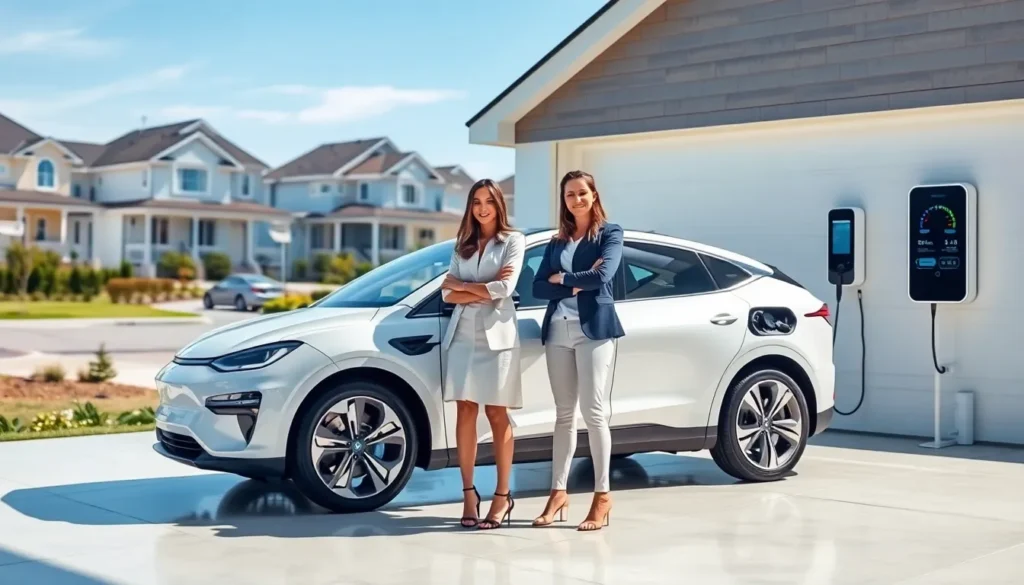


Electric vehicle ideas are transforming how people think about cars, trucks, and mobility. The shift from gasoline to electric power isn’t just about swapping engines, it’s a complete rethink of automotive design, energy storage, and how vehicles connect to the world around them.
From solid-state batteries that charge in minutes to solar-powered charging stations, the electric vehicle space buzzes with innovation. Automakers, tech startups, and energy companies race to solve the biggest challenges facing EV adoption: range anxiety, charging convenience, and environmental impact during production.
This article explores the most promising electric vehicle ideas across battery technology, charging infrastructure, sustainable manufacturing, and connected features. These innovations don’t exist in isolation, they work together to create a transportation ecosystem that’s cleaner, smarter, and more accessible than anything seen before.
Table of Contents
ToggleKey Takeaways
- Electric vehicle ideas span battery innovation, charging infrastructure, sustainable manufacturing, and connected features to create a cleaner transportation ecosystem.
- Solid-state batteries could deliver 500+ mile ranges and 10-minute charging times by the late 2020s, addressing range anxiety concerns.
- Bidirectional charging (V2G and V2H) transforms parked EVs into mobile power plants that can power homes during outages or sell energy back to the grid.
- Sustainable electric vehicle ideas include structural battery packs, recycled materials, and carbon-neutral manufacturing powered by renewable energy.
- Over-the-air software updates allow EVs to improve performance, add features, and fix issues without dealership visits.
- Smart grid integration enables EVs to charge during off-peak hours and coordinate with home solar systems for maximum efficiency.
Innovative Battery Technology Concepts
Battery technology sits at the heart of every electric vehicle idea worth discussing. The current lithium-ion batteries work well, but they have limitations. Researchers and engineers push boundaries to develop alternatives that charge faster, last longer, and cost less.
Solid-State Batteries
Solid-state batteries replace the liquid electrolyte in traditional batteries with a solid material. This change brings several advantages. They store more energy in the same space, meaning longer range without a heavier battery pack. They also resist overheating, which reduces fire risk and extends battery life.
Toyota, QuantumScape, and other companies invest billions in solid-state technology. Some projections suggest these batteries could enable 500+ mile ranges and 10-minute charging times by the late 2020s.
Sodium-Ion and Alternative Chemistry
Lithium isn’t the only game in town. Sodium-ion batteries use abundant, inexpensive materials. They won’t match lithium’s energy density, but they cost significantly less to produce. For city vehicles and short-range applications, sodium-ion batteries make economic sense.
Other electric vehicle ideas in battery chemistry include silicon anodes, lithium-sulfur cells, and even aluminum-air systems. Each approach trades off between energy density, cost, weight, and longevity.
Battery Recycling and Second-Life Applications
EV batteries retain 70-80% capacity after their vehicle life ends. Forward-thinking companies repurpose these batteries for home energy storage, grid stabilization, and commercial backup power. This circular approach reduces waste and recovers valuable materials like cobalt, nickel, and lithium for new battery production.
Smart Charging Infrastructure Solutions
A brilliant electric vehicle means little without convenient places to charge it. Smart charging infrastructure represents one of the most practical electric vehicle ideas currently under development.
Bidirectional Charging (V2G and V2H)
Vehicle-to-grid (V2G) technology lets EVs send power back to the electrical grid during peak demand. Owners can earn money by selling stored energy when prices spike. Vehicle-to-home (V2H) systems power houses during outages, Ford F-150 Lightning owners used this feature during storms to keep refrigerators running and lights on.
These bidirectional systems turn parked cars into mobile power plants. With millions of EVs on the road, the collective storage capacity rivals large-scale battery installations.
Ultra-Fast and Wireless Charging
Charging speeds continue to improve. Tesla’s V4 Superchargers deliver up to 350 kW, adding 200 miles of range in roughly 15 minutes. Porsche and other manufacturers push even higher speeds.
Wireless charging eliminates plugs entirely. Drivers park over an induction pad, and power transfers automatically. Some cities test wireless charging embedded in roads, letting vehicles charge while driving.
Solar-Integrated Charging Stations
Solar canopies over parking lots generate clean electricity while providing shade for parked vehicles. These stations reduce demand on the grid and lower operating costs for charging network operators. Combined with battery storage, solar charging stations can operate independently during grid outages.
Sustainable Design and Manufacturing Approaches
Building an electric vehicle still requires energy, raw materials, and manufacturing processes. The best electric vehicle ideas address the full lifecycle, not just tailpipe emissions.
Lightweight Materials and Structural Innovation
Every pound saved in vehicle weight extends range. Manufacturers experiment with carbon fiber, aluminum alloys, and composite materials to reduce mass without sacrificing safety. Some electric vehicle ideas integrate the battery pack into the vehicle structure itself, eliminating redundant components.
Rivian and Tesla use structural battery packs that form part of the vehicle floor. This approach saves weight, increases rigidity, and simplifies assembly.
Recycled and Bio-Based Materials
Interior plastics, seat fabrics, and trim pieces don’t need virgin petroleum-based materials. BMW uses recycled fishing nets for floor mats. Volvo sources recycled plastics for interior components. Some manufacturers explore bio-based alternatives derived from plants.
These electric vehicle ideas extend sustainability beyond the powertrain to every component.
Clean Manufacturing Processes
Factory emissions matter too. Tesla’s Gigafactory in Nevada runs partly on renewable energy. Volkswagen powers some production facilities entirely with wind and solar. Heat recovery systems, water recycling, and waste reduction programs shrink the environmental footprint of EV production.
The goal: carbon-neutral vehicles from raw material extraction through end-of-life recycling.
Connected Vehicle Features and Integration
Electric vehicles double as computers on wheels. Their software-driven architecture enables connected features that gasoline cars simply cannot match.
Over-the-Air Updates
Tesla pioneered over-the-air software updates for vehicles. Owners wake up to new features, performance improvements, and bug fixes without visiting a dealer. Other manufacturers now follow this model.
These updates can improve range estimates, add entertainment options, enhance driver assistance, and even boost horsepower. The vehicle you buy today can become better tomorrow, a powerful electric vehicle idea that changes the ownership experience.
Smart Navigation and Energy Management
Connected EVs access real-time data about traffic, weather, and charging station availability. Navigation systems factor in elevation changes, temperature effects on battery performance, and current charge levels to plot optimal routes.
Some vehicles pre-condition batteries before arriving at fast chargers, warming or cooling cells to accept maximum charge rates. This intelligent energy management reduces charging time and extends battery longevity.
Integration with Smart Homes and Grids
Electric vehicles communicate with home energy systems to charge during off-peak hours when electricity costs less. They coordinate with rooftop solar panels to use surplus clean energy. Smart grid integration helps utilities balance supply and demand across entire regions.
These connected electric vehicle ideas create an ecosystem where cars, homes, and power grids work together efficiently.