
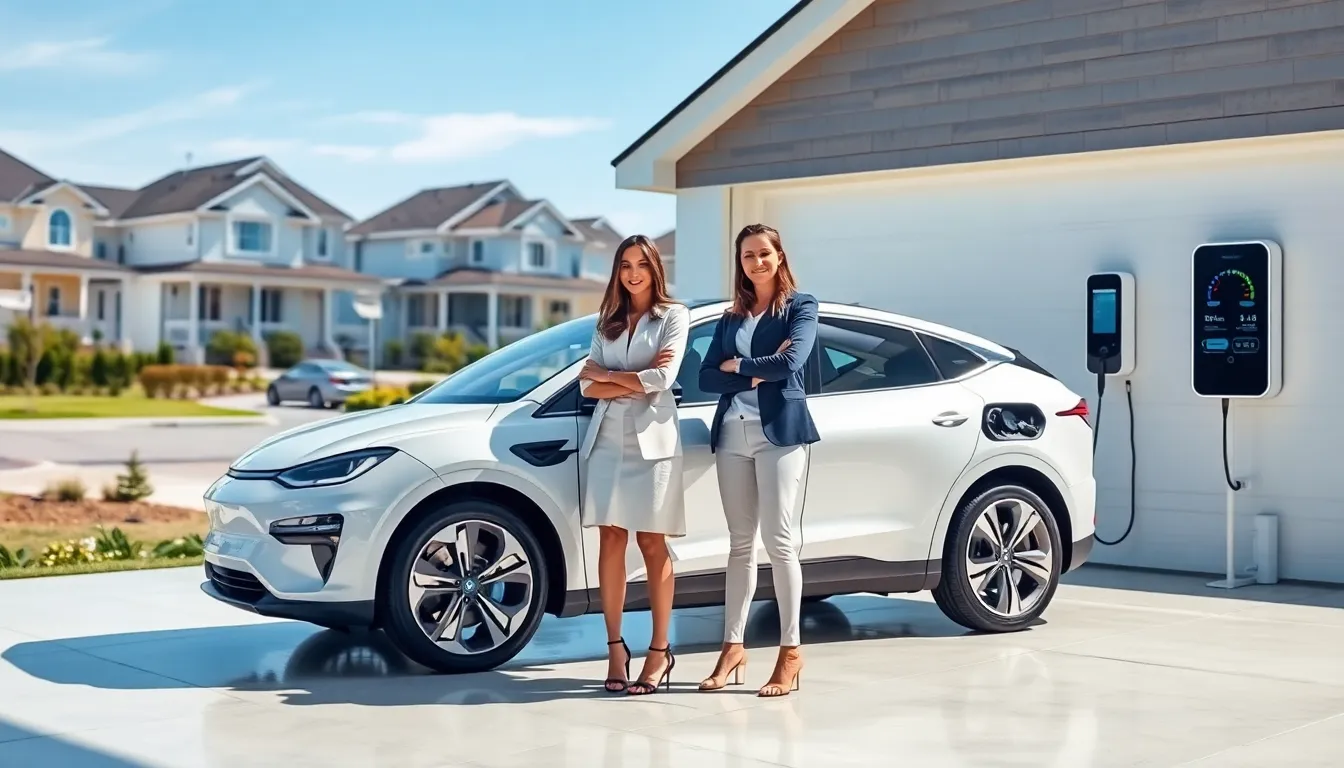

This electric vehicles guide covers everything buyers need to know before making a purchase. Electric vehicles have transformed personal transportation. They offer lower running costs, zero tailpipe emissions, and a smoother driving experience. Sales continue to climb each year as battery technology improves and charging networks expand. Yet many buyers still have questions about how these vehicles work, what types exist, and whether one fits their lifestyle. This guide breaks down the essentials, from basic mechanics to charging options to key purchase factors, so readers can make an well-informed choice.
Table of Contents
ToggleKey Takeaways
- This electric vehicles guide explains how EVs work, including battery packs, motors, and regenerative braking that extends driving range.
- Buyers can choose from three types: Battery Electric Vehicles (BEVs), Plug-in Hybrids (PHEVs), or Hybrid Electric Vehicles (HEVs) based on their needs.
- Electric vehicles cost approximately $0.04 per mile to charge at home compared to $0.12 per mile for gasoline, saving around $1,200 annually.
- Level 2 home charging adds 15-30 miles of range per hour and is the most practical option for most EV owners.
- Federal tax credits up to $7,500 plus state rebates can significantly reduce electric vehicle purchase costs.
- Before buying, assess your daily driving distance, home charging access, and local charging infrastructure to ensure an EV fits your lifestyle.
How Electric Vehicles Work
Electric vehicles run on battery-powered electric motors instead of internal combustion engines. The process is surprisingly simple compared to traditional gasoline cars.
The Battery Pack
A large lithium-ion battery pack stores electrical energy. This pack sits low in the vehicle’s chassis, which lowers the center of gravity and improves handling. Most modern electric vehicles use battery packs ranging from 40 kWh to over 100 kWh in capacity.
The Electric Motor
The motor converts electrical energy into mechanical energy. When a driver presses the accelerator, the battery sends power to the motor, which spins and turns the wheels. Electric motors deliver instant torque. This means quick acceleration from a standstill, something drivers notice immediately.
Regenerative Braking
Electric vehicles recover energy during braking. When the driver lifts off the accelerator or applies the brakes, the motor reverses its function. It acts as a generator, converting kinetic energy back into electricity. This energy returns to the battery, extending driving range.
The Onboard Charger
An onboard charger manages the flow of electricity from external charging sources to the battery. It converts AC power from home outlets or public chargers into DC power the battery can store.
Types of Electric Vehicles Available Today
Not all electric vehicles are the same. Buyers have three main options to consider.
Battery Electric Vehicles (BEVs)
BEVs run entirely on electricity. They have no gasoline engine, fuel tank, or exhaust pipe. Popular examples include the Tesla Model 3, Chevrolet Bolt, and Ford Mustang Mach-E. These vehicles typically offer ranges between 200 and 350 miles per charge. BEVs require access to charging infrastructure but have the lowest operating costs.
Plug-in Hybrid Electric Vehicles (PHEVs)
PHEVs combine an electric motor with a gasoline engine. They can travel 20 to 50 miles on electricity alone before the gas engine kicks in. The Toyota RAV4 Prime and Jeep Wrangler 4xe fall into this category. PHEVs work well for buyers who want electric driving for daily commutes but need gasoline backup for longer trips.
Hybrid Electric Vehicles (HEVs)
HEVs use both an electric motor and gasoline engine, but they can’t plug in. The battery charges through regenerative braking and the gas engine. The Toyota Prius pioneered this category. While HEVs offer better fuel economy than traditional cars, they still depend on gasoline.
Benefits of Owning an Electric Vehicle
Electric vehicles offer several advantages over gasoline-powered cars.
Lower Fuel Costs
Electricity costs less than gasoline per mile driven. The average American pays about $0.04 per mile to charge an electric vehicle at home. Compare that to roughly $0.12 per mile for gasoline. Over 15,000 miles per year, that’s a savings of $1,200 annually.
Reduced Maintenance
Electric vehicles have fewer moving parts. There’s no oil to change, no spark plugs to replace, and no transmission fluid to worry about. Brake pads last longer too, thanks to regenerative braking. Maintenance costs typically run 30-50% lower than gasoline vehicles.
Environmental Impact
Electric vehicles produce zero tailpipe emissions. Even when accounting for electricity generation, they generally create fewer greenhouse gas emissions than gasoline cars. This gap widens as the electrical grid incorporates more renewable energy sources.
Better Driving Experience
Electric motors deliver smooth, quiet power. There’s no engine noise or gear shifting. Acceleration feels immediate and linear. Many drivers describe the experience as more refined than traditional vehicles.
Tax Incentives
Federal and state tax credits can reduce the purchase price significantly. The federal credit offers up to $7,500 for qualifying electric vehicles. Some states add additional rebates.
Charging Your Electric Vehicle
Understanding charging options helps buyers plan for electric vehicle ownership.
Level 1 Charging
Level 1 uses a standard 120-volt household outlet. It’s the slowest option, adding about 3-5 miles of range per hour. This works for plug-in hybrids or drivers with short daily commutes who can charge overnight.
Level 2 Charging
Level 2 requires a 240-volt outlet, the same type used for dryers. It adds 15-30 miles of range per hour. Most electric vehicle owners install a Level 2 charger at home. Installation costs between $500 and $2,000 depending on electrical work needed.
DC Fast Charging
DC fast chargers deliver rapid charging at public stations. They can add 100-200 miles of range in 20-30 minutes. Networks like Electrify America, ChargePoint, and Tesla Superchargers continue expanding. Fast charging works well for road trips but costs more per kWh than home charging.
Charging Costs
Home charging costs average $0.13-0.15 per kWh in most areas. A full charge for a 60 kWh battery costs roughly $8-9. Public fast charging runs $0.30-0.50 per kWh, making it two to three times more expensive.
Key Factors to Consider Before Buying
Several factors determine whether an electric vehicle fits a buyer’s needs.
Daily Driving Distance
Buyers should calculate their typical daily mileage. Most people drive less than 40 miles per day. Any modern electric vehicle handles this easily. But, those who frequently drive 100+ miles daily need a vehicle with adequate range or access to workplace charging.
Home Charging Access
Home charging makes electric vehicle ownership much easier. Buyers with a garage or dedicated parking space can install a Level 2 charger. Apartment dwellers should check whether their building offers charging or if public stations exist nearby.
Budget and Incentives
Electric vehicles have higher upfront costs than comparable gasoline cars. But, tax credits, lower fuel costs, and reduced maintenance narrow the gap over time. Buyers should calculate the total cost of ownership over 5-7 years.
Range Requirements
Most electric vehicles now offer 200+ miles of range. For local driving, this works fine. Buyers who take frequent road trips should consider vehicles with 300+ mile range or plan routes around charging stations.
Charging Infrastructure
Local charging availability matters. Buyers should map out charging stations near their home, workplace, and common destinations. Apps like PlugShare show real-time charger availability and reviews.