
Electric vehicles for beginners can feel overwhelming at first. There’s new terminology, unfamiliar technology, and a whole different way of thinking about transportation. But here’s the good news: EVs are simpler than most people expect.
This guide breaks down everything a first-time buyer needs to know. It covers how electric vehicles work, the different types available, their pros and cons, and what to consider before making a purchase. By the end, readers will have the confidence to decide if an EV fits their lifestyle.
Table of Contents
ToggleKey Takeaways
- Electric vehicles for beginners are simpler than expected—EVs have fewer moving parts than gas cars, meaning less maintenance and fewer repairs.
- Three main EV types exist: Battery Electric Vehicles (BEVs) for zero emissions, Plug-In Hybrids (PHEVs) for flexibility, and Hybrids (HEVs) for improved fuel efficiency.
- EV owners typically save 50-70% on fuel costs and may qualify for up to $7,500 in federal tax credits.
- Home charging handles 80% of most owners’ needs—Level 2 chargers add 15-30 miles of range per hour overnight.
- Before buying, calculate your daily driving range, assess home charging options, and test drive multiple electric vehicles to find the right fit.
- Common concerns like range anxiety are manageable—most modern EVs offer 200-300 miles per charge, far exceeding average daily commutes.
What Is an Electric Vehicle and How Does It Work?
An electric vehicle uses electricity instead of gasoline to power its motor. Rather than an internal combustion engine, EVs rely on a battery pack and one or more electric motors.
The process is straightforward. The battery stores electrical energy. When the driver presses the accelerator, the battery sends power to the electric motor. The motor then turns the wheels. That’s it, no spark plugs, no oil changes, no exhaust pipes.
Electric vehicles also use regenerative braking. When the driver slows down, the motor works in reverse. It captures kinetic energy and converts it back into electricity. This energy returns to the battery, extending the vehicle’s range.
Compared to traditional cars, EVs have fewer moving parts. A gas engine has hundreds of components that can wear out. An electric motor has roughly 20. This simplicity means less maintenance and fewer trips to the mechanic.
For beginners exploring electric vehicles, this basic understanding helps demystify the technology. The core concept is simple: electricity in, motion out.
Types of Electric Vehicles Available Today
Not all electric vehicles are the same. Buyers have three main options to choose from.
Battery Electric Vehicles (BEVs)
BEVs run entirely on electricity. They have no gasoline engine and produce zero emissions. Popular examples include the Tesla Model 3, Chevrolet Bolt, and Nissan Leaf. These vehicles require charging from an external power source.
BEVs offer the purest electric experience. They’re ideal for drivers who want to eliminate gasoline completely. Most modern BEVs offer 200-300 miles of range per charge, with some luxury models exceeding 400 miles.
Plug-In Hybrid Electric Vehicles (PHEVs)
PHEVs combine an electric motor with a gasoline engine. They can travel 20-50 miles on electricity alone. After the battery depletes, the gas engine takes over. The Toyota Prius Prime and Ford Escape PHEV fall into this category.
These vehicles suit drivers who want electric capability but aren’t ready to give up gasoline backup. They’re a solid middle ground for electric vehicle beginners.
Hybrid Electric Vehicles (HEVs)
HEVs use both electric motors and gas engines, but they can’t plug in. The battery charges through regenerative braking and the gas engine. The Toyota Camry Hybrid is a common example.
While HEVs improve fuel efficiency, they still depend primarily on gasoline. Purists don’t consider them true electric vehicles, but they introduce drivers to electric technology.
Benefits and Drawbacks of Owning an EV
Electric vehicles offer clear advantages, but they’re not perfect for everyone. Here’s an honest look at both sides.
Benefits
Lower operating costs. Electricity costs less than gasoline in most areas. EV owners typically spend 50-70% less on fuel. Maintenance costs drop too, since EVs skip oil changes, transmission repairs, and exhaust system work.
Environmental impact. EVs produce zero direct emissions. Even when accounting for electricity generation, they typically have a smaller carbon footprint than gas cars.
Performance. Electric motors deliver instant torque. Many EVs accelerate faster than comparable gas vehicles. The driving experience feels smooth and responsive.
Tax incentives. Federal and state programs offer credits for EV purchases. Buyers may qualify for up to $7,500 in federal tax credits, depending on the vehicle and their tax situation.
Drawbacks
Higher upfront cost. Electric vehicles generally cost more than similar gas-powered models. Battery technology is expensive, though prices continue to drop.
Charging infrastructure. Not every area has convenient charging stations. Apartment dwellers and those without home charging access may struggle.
Range anxiety. While ranges have improved, some drivers worry about running out of power on longer trips. Planning is required for road trips.
Charging time. Filling a gas tank takes minutes. Charging an EV takes longer, even fast chargers need 20-40 minutes for a significant charge.
For electric vehicle beginners weighing these factors, personal circumstances matter most. Someone with a garage and a short commute will have a different experience than someone in a rural area with limited charging options.
Charging Your Electric Vehicle: What You Need to Know
Understanding charging is essential for electric vehicle beginners. Three levels of charging exist, each with different speeds and use cases.
Level 1 Charging
Level 1 uses a standard 120-volt household outlet. It’s the slowest option, adding about 3-5 miles of range per hour. This works for drivers with short daily commutes who can charge overnight. No special equipment is needed.
Level 2 Charging
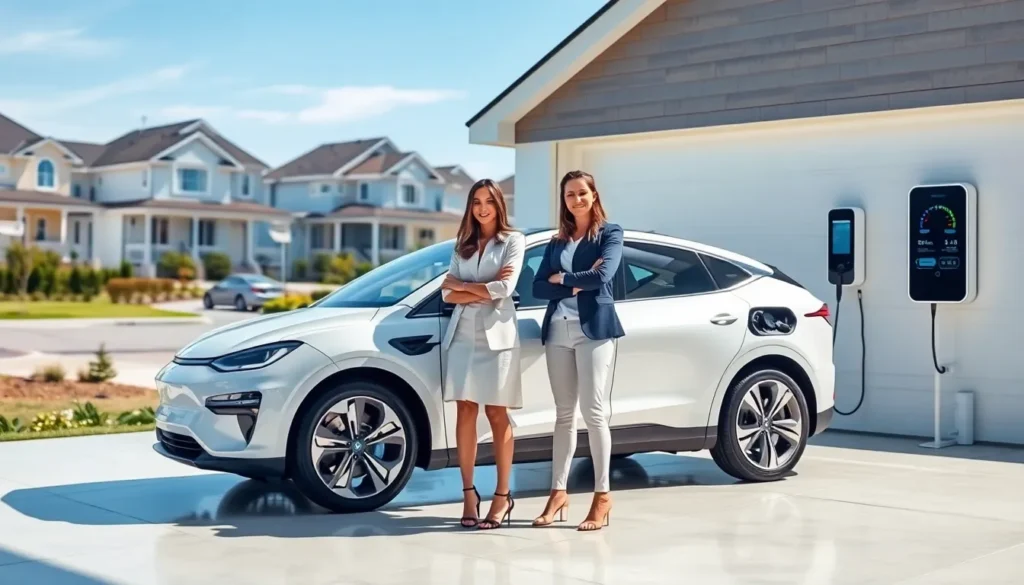
Level 2 requires a 240-volt outlet, the same type used for dryers and ovens. It adds 15-30 miles of range per hour. Most home charging setups and public stations use Level 2. Installation costs $500-2,000 for home setups.
Level 3 (DC Fast Charging)
DC fast chargers can add 100-200 miles of range in 20-40 minutes. They’re found at dedicated charging stations along highways and in commercial areas. Not all EVs support DC fast charging, and frequent use can affect battery longevity.
Home vs. Public Charging
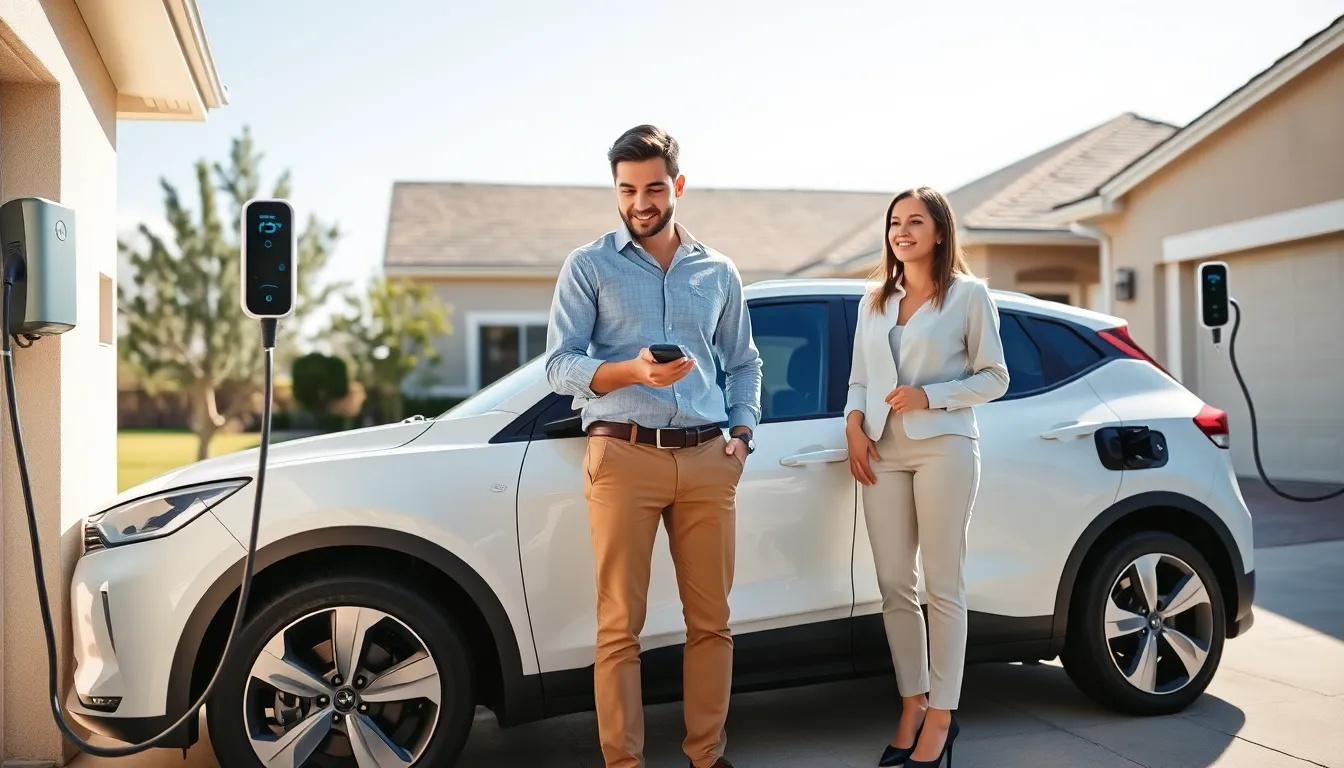
Most EV owners do 80% of their charging at home. They plug in overnight and wake up to a full battery. Public charging fills gaps during longer trips or for those without home charging access.
Charging networks like Electrify America, ChargePoint, and Tesla Superchargers continue expanding. Apps help drivers locate stations and check availability. For beginners, mastering electric vehicle charging becomes second nature within weeks.
Key Factors to Consider Before Buying Your First EV
Buying an electric vehicle requires different considerations than purchasing a gas car. Here’s what matters most.
Range needs. Calculate typical daily driving distances. Most drivers cover 30-40 miles daily. An EV with 250 miles of range handles this easily, with buffer for unexpected trips.
Charging access. Home charging makes EV ownership far more convenient. Renters or those without dedicated parking should research public charging options nearby.
Budget. Factor in the purchase price, potential tax credits, and long-term savings on fuel and maintenance. A higher sticker price often balances out over time.
Vehicle type. EVs now come as sedans, SUVs, trucks, and compact cars. Buyers can find options that match their lifestyle needs.
Battery warranty. Most manufacturers warranty batteries for 8 years or 100,000 miles. Check specific coverage before purchasing.
Resale value. The EV market is evolving quickly. Some models hold value well, while others depreciate faster. Research specific vehicles before committing.
Electric vehicle beginners should test drive multiple options. The driving experience differs from gas cars, and personal preference matters. Spend time behind the wheel before deciding.