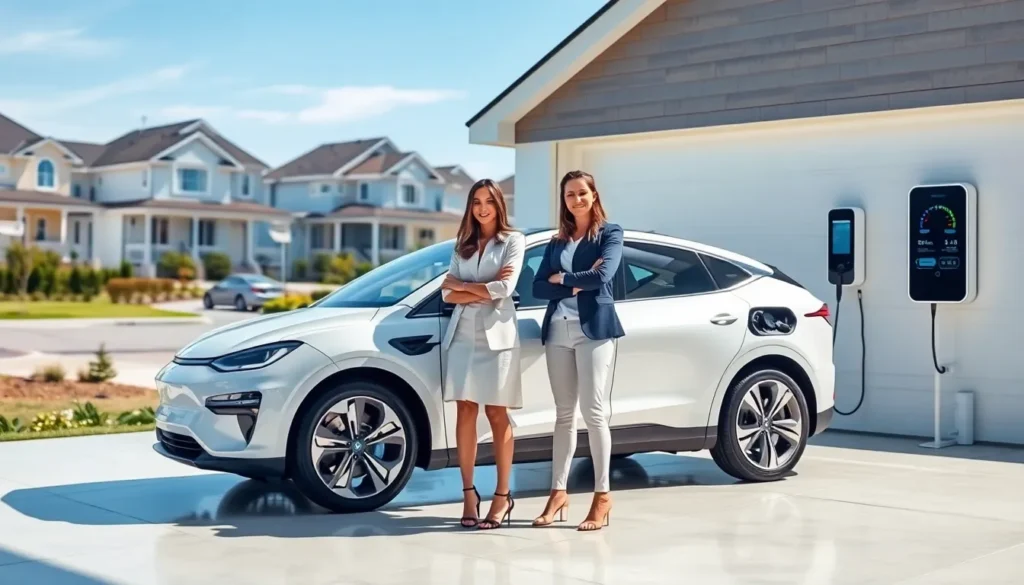
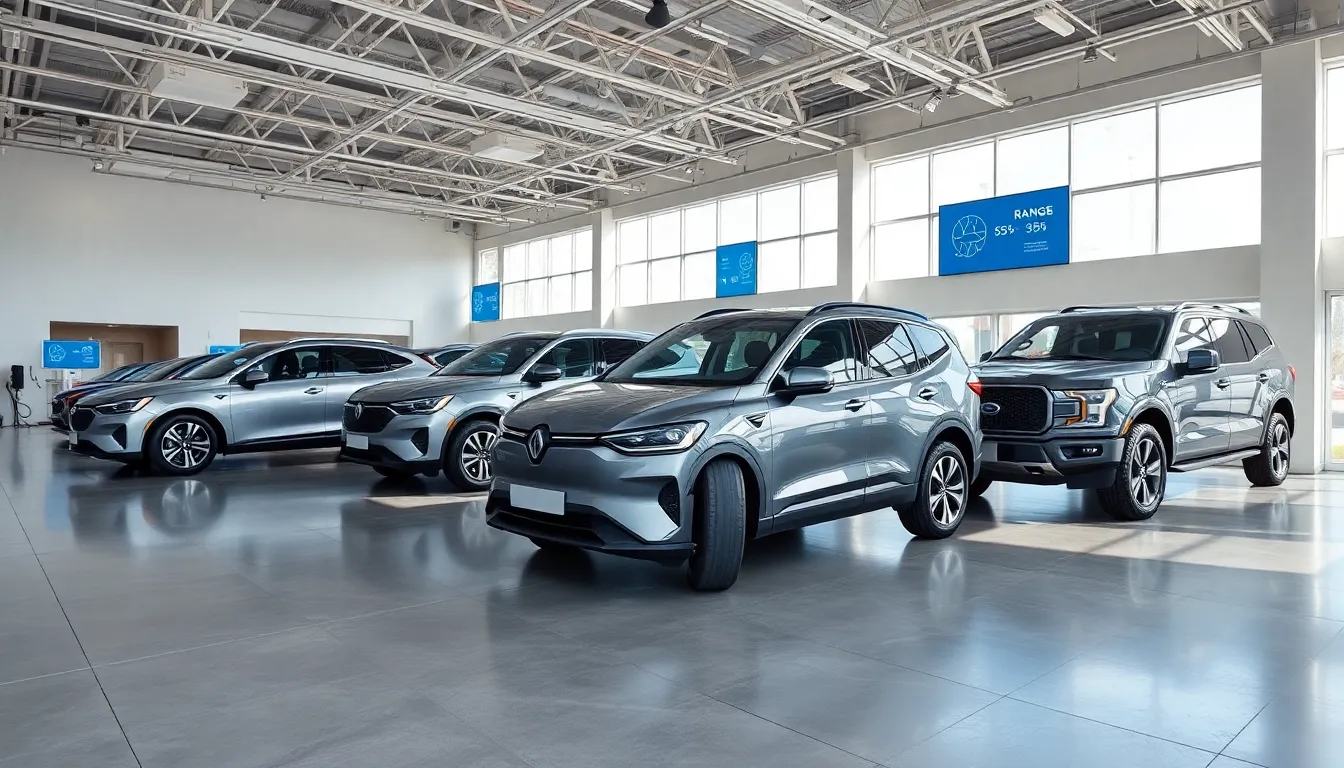

Electric vehicles examples range from compact city cars to full-size trucks. The EV market has grown rapidly, giving buyers more choices than ever before. Whether someone needs a daily commuter, a family hauler, or a work vehicle, there’s an electric option available today.
This guide covers the main types of electric vehicles on the market. It explores battery electric vehicles, plug-in hybrids, electric SUVs, and electric trucks. Each category serves different needs and budgets. By the end, readers will have a clear picture of what’s available and which electric vehicles might fit their lifestyle.
Table of Contents
ToggleKey Takeaways
- Electric vehicles examples now span every category, from compact sedans to full-size trucks and commercial vans.
- Battery electric vehicles (BEVs) like the Tesla Model 3 and Hyundai Ioniq 6 offer over 350 miles of range on a single charge.
- Plug-in hybrids (PHEVs) such as the Toyota RAV4 Prime provide electric commuting with gasoline backup for longer trips.
- Electric SUVs like the Rivian R1S and Kia EV9 deliver family-friendly space with adventure-ready capability.
- Electric trucks including the Ford F-150 Lightning and Chevrolet Silverado EV match or exceed traditional truck performance with zero emissions.
- Buyers can now find an electric vehicle option for nearly any lifestyle, budget, or driving need.
Battery Electric Vehicles (BEVs)
Battery electric vehicles run entirely on electricity. They have no gasoline engine and produce zero direct emissions. BEVs use large battery packs and electric motors to power the wheels.
Tesla Model 3 and Model Y stand as the best-selling electric vehicles examples in this category. The Model 3 offers up to 358 miles of range on a single charge. The Model Y provides similar performance with more cargo space. Both vehicles feature Tesla’s Supercharger network, which makes long-distance travel practical.
Chevrolet Bolt EV and Bolt EUV represent affordable electric vehicles examples from a traditional automaker. The Bolt EV starts under $30,000 after recent price cuts. It delivers 259 miles of range. The slightly larger Bolt EUV adds more interior room and an available hands-free driving system.
Ford Mustang Mach-E combines sporty styling with practical electric transportation. This crossover offers multiple battery sizes and drivetrain options. The extended-range version achieves up to 312 miles per charge.
Hyundai Ioniq 6 earned praise for its aerodynamic design and efficiency. This sedan can travel up to 361 miles on a full charge. It also supports 800-volt fast charging, which adds about 180 miles in just 15 minutes.
BEVs work best for drivers with home charging access. Most owners charge overnight and start each day with a full battery. Public charging networks continue to expand, making BEVs increasingly practical for apartment dwellers and frequent travelers.
Plug-In Hybrid Electric Vehicles (PHEVs)
Plug-in hybrid electric vehicles combine electric motors with gasoline engines. They can drive short distances on electricity alone, then switch to gas for longer trips. PHEVs offer a bridge between traditional cars and full electric vehicles.
Toyota RAV4 Prime ranks among the most popular electric vehicles examples in the PHEV segment. It provides 42 miles of electric-only range. The combined gas-electric system produces 302 horsepower. Many RAV4 Prime owners complete their daily commutes without using any gasoline.
Jeep Wrangler 4xe proves that even rugged off-roaders can go electric. This PHEV delivers 21 miles of electric range. The instant torque from its electric motor actually improves off-road capability. It remains a Jeep through and through, just with a charging port.
BMW X5 xDrive50e shows how luxury brands approach plug-in hybrids. It offers 31 miles of electric range. The combined powertrain generates 483 horsepower. This SUV handles highway cruising and electric city driving equally well.
Chrysler Pacifica Hybrid stands as the only plug-in hybrid minivan on the market. Families get 32 miles of electric range for school runs and errands. The gas engine kicks in for road trips. This makes it a practical electric vehicles example for larger households.
PHEVs suit drivers who want electric benefits but can’t commit to full battery power yet. They eliminate range anxiety completely. Owners can charge when convenient and use gasoline when needed.
Electric SUVs and Crossovers
Electric SUVs and crossovers have become the fastest-growing segment. American buyers love SUVs, and automakers have responded with numerous electric options. These vehicles offer the space and versatility families need.
Rivian R1S delivers adventure-ready capability with seven seats. This electric SUV can tow up to 7,700 pounds. It offers up to 352 miles of range. Rivian designed the R1S for both daily driving and weekend camping trips.
Kia EV9 provides three-row seating in a modern package. This large SUV offers up to 304 miles of range. It supports 800-volt fast charging like its smaller Kia siblings. The EV9 proves that electric vehicles examples now include full-size family haulers.
Mercedes-Benz EQS SUV brings luxury to electric SUVs. It features a massive interior screen that spans the dashboard. Range reaches up to 305 miles. This vehicle shows how premium brands translate their qualities to electric power.
Volkswagen ID.4 offers a more affordable entry point. This compact SUV starts around $40,000. It provides up to 275 miles of range. VW designed the ID.4 as a practical electric vehicle for mainstream buyers.
Cadillac Lyriq represents GM’s luxury electric push. It delivers 314 miles of range with rear-wheel drive. The interior features a 33-inch curved display. The Lyriq demonstrates how American luxury can go electric.
Electric SUVs now compete directly with their gas counterparts. They offer similar or better performance. Many provide more cargo space because batteries sit flat under the floor.
Electric Trucks and Commercial Vehicles
Electric trucks have arrived with impressive capability. These vehicles tackle work tasks while producing zero emissions. The electric trucks segment includes both personal and commercial options.
Ford F-150 Lightning brought electric power to America’s best-selling truck. It offers up to 320 miles of range with the extended battery. The truck produces 580 horsepower in its top trim. A unique feature lets owners power their homes during outages using the truck’s battery.
Rivian R1T pioneered the electric pickup truck market. It launched before any major competitor. The R1T offers up to 352 miles of range. Its quad-motor setup can send power independently to each wheel. This makes it exceptional off-road.
Chevrolet Silverado EV joins the electric truck race with GM’s Ultium platform. The work truck version offers over 400 miles of range. Towing capacity reaches 10,000 pounds. These numbers make it a serious electric vehicles example for truck buyers.
GMC Hummer EV transformed a gas-guzzling icon into an electric powerhouse. It produces 1,000 horsepower in its top configuration. The Hummer EV can drive diagonally using its CrabWalk feature. Range reaches 329 miles.
Tesla Semi brings electric power to commercial trucking. It offers up to 500 miles of range when fully loaded. Several major companies now operate Tesla Semi trucks for freight hauling.
Commercial vans have also gone electric. The Ford E-Transit and Mercedes eSprinter serve delivery fleets. These vehicles reduce operating costs and emissions for businesses.