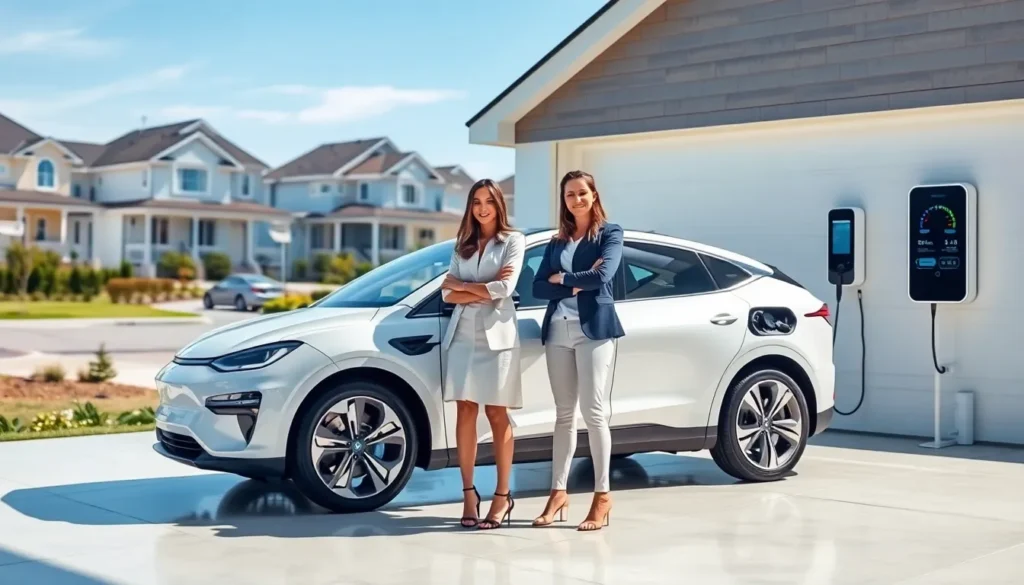


The best electric vehicles in 2025 offer impressive range, advanced technology, and lower running costs than ever before. Whether buyers want a sleek sedan, a family-friendly SUV, or a budget-conscious option, today’s EV market delivers solid choices across every category.
Electric vehicle sales continue to climb as charging infrastructure expands and battery technology improves. Automakers now compete fiercely, which means consumers benefit from better features at competitive prices. This guide covers the top electric sedans, SUVs, affordable options, and key factors to consider before making a purchase.
Table of Contents
ToggleKey Takeaways
- The best electric vehicles in 2025 span sedans, SUVs, and budget-friendly options, with most offering 250+ miles of range and advanced technology.
- Tesla Model 3 and Model Y remain top picks for their range, Supercharger access, and over-the-air updates, while BMW i4 and Mercedes EQE deliver luxury alternatives.
- Affordable EVs like the Chevrolet Bolt EUV (starting around $28,000) and Nissan Leaf make electric ownership accessible without sacrificing practicality.
- Federal tax credits of up to $7,500 and state incentives can significantly reduce the purchase price of qualifying electric vehicles.
- Total cost of ownership for EVs is typically lower than gas cars due to reduced fuel costs, no oil changes, and fewer brake replacements.
- Test drive multiple models and evaluate charging infrastructure along your regular routes before choosing the best electric vehicle for your needs.
Top Electric Sedans
Electric sedans combine efficiency with style, making them popular among commuters and EV enthusiasts alike. Several models stand out in 2025 for their performance, range, and overall value.
Tesla Model 3 remains a benchmark in the electric sedan segment. It offers up to 341 miles of range, quick acceleration, and access to Tesla’s extensive Supercharger network. The interior features a minimalist design centered around a 15.4-inch touchscreen that controls nearly every function.
BMW i4 appeals to drivers who want a luxury experience with sporty handling. The i4 delivers up to 318 miles of range and accelerates from 0 to 60 mph in as little as 3.7 seconds in its M50 trim. BMW’s iDrive 8 system provides intuitive controls and seamless smartphone integration.
Mercedes-Benz EQE targets buyers seeking premium comfort. This sedan offers a quiet cabin, air suspension for a smooth ride, and up to 305 miles of range. The optional Hyperscreen spans nearly the entire dashboard and includes a dedicated screen for front passengers.
Hyundai Ioniq 6 deserves attention for its aerodynamic design and fast charging capability. It can add up to 180 miles of range in just 18 minutes using a 350 kW DC fast charger. Starting around $45,000, it undercuts many competitors while delivering solid features.
These electric sedans prove that EV buyers don’t need to sacrifice style or performance. Each model brings something different to the table, from Tesla’s tech-forward approach to BMW’s driving dynamics.
Best Electric SUVs and Crossovers
Families and adventure seekers often prefer SUVs and crossovers for their space and versatility. The best electric vehicles in this category offer practical cargo room, comfortable seating, and impressive driving range.
Tesla Model Y dominates electric SUV sales for good reason. It provides up to 320 miles of range, seats five adults comfortably, and offers ample cargo space. The Model Y shares much of its technology with the Model 3, including Autopilot and over-the-air software updates.
Ford Mustang Mach-E brings American muscle heritage to the EV world. It offers responsive handling, up to 312 miles of range in the Extended Range version, and Ford’s BlueCruise hands-free driving system. The Mach-E also qualifies for federal tax credits, which reduces its effective purchase price.
Rivian R1S stands out as the best electric SUV for off-road capability. With standard all-wheel drive, adjustable air suspension, and up to 21 inches of ground clearance, it handles trails that other EVs can’t attempt. The R1S seats up to seven passengers and offers 260 to 400+ miles of range depending on the battery pack.
Kia EV9 entered the market as a three-row electric SUV with strong value. It offers seating for up to seven, 304 miles of range in the Long Range trim, and a spacious interior with premium materials. The EV9 also supports Vehicle-to-Load (V2L) technology, allowing it to power external devices.
Chevrolet Equinox EV appeals to budget-conscious families. Starting around $35,000, it delivers up to 319 miles of range and practical features. GM’s Ultium platform provides a smooth driving experience and access to a growing charging network.
Affordable Electric Vehicles Worth Considering
Not everyone wants to spend $50,000 or more on an electric vehicle. Several affordable EVs deliver solid performance and features without very costly.
Chevrolet Bolt EUV offers exceptional value with a starting price around $28,000. It provides 259 miles of range, a comfortable interior, and standard Super Cruise capability on select trims. The Bolt EUV remains one of the most affordable ways to enter the EV market.
Nissan Leaf has been an affordable EV option for over a decade. The 2025 model starts around $29,000 and offers up to 212 miles of range with the larger 60 kWh battery. It’s a practical choice for urban drivers and short commuters.
Hyundai Kona Electric balances affordability with modern features. It starts around $34,000, offers 261 miles of range, and includes a user-friendly infotainment system. The Kona Electric also provides a 10-year/100,000-mile powertrain warranty for added peace of mind.
Volkswagen ID.4 sits at the higher end of the affordable spectrum but delivers excellent value. With prices starting around $39,000 after federal tax credits, it offers 275 miles of range and a spacious interior. VW’s commitment to expanding its charging network adds convenience for ID.4 owners.
These affordable electric vehicles prove that going electric doesn’t require a massive budget. Federal and state incentives can reduce prices further, making EVs accessible to more buyers than ever.
Key Factors When Choosing an EV
Selecting the best electric vehicle depends on individual needs and priorities. Several key factors help buyers make an well-informed choice.
Range matters most for drivers who travel long distances regularly. Most modern EVs offer 250+ miles per charge, which handles daily commutes and weekend trips easily. But, those who frequently drive 300+ miles in a day should prioritize longer-range models or ensure fast charging stations exist along their routes.
Charging infrastructure plays a crucial role in EV ownership satisfaction. Tesla owners benefit from the Supercharger network, while other brands increasingly adopt the NACS (North American Charging Standard) connector for broader compatibility. Home charging through a Level 2 charger adds 25-30 miles of range per hour and covers most daily driving needs.
Total cost of ownership extends beyond the sticker price. Electric vehicles typically cost less to fuel and maintain than gas-powered cars. No oil changes, fewer brake replacements (thanks to regenerative braking), and lower fuel costs add up to significant savings over time.
Federal tax credits can reduce purchase prices by up to $7,500 for qualifying vehicles. Some states offer additional incentives, rebates, or HOV lane access for EV drivers. Buyers should research available incentives before finalizing their purchase.
Performance preferences vary among drivers. Some prioritize quick acceleration, while others value a smooth, quiet ride. Test driving multiple models helps buyers understand how different EVs feel on the road.